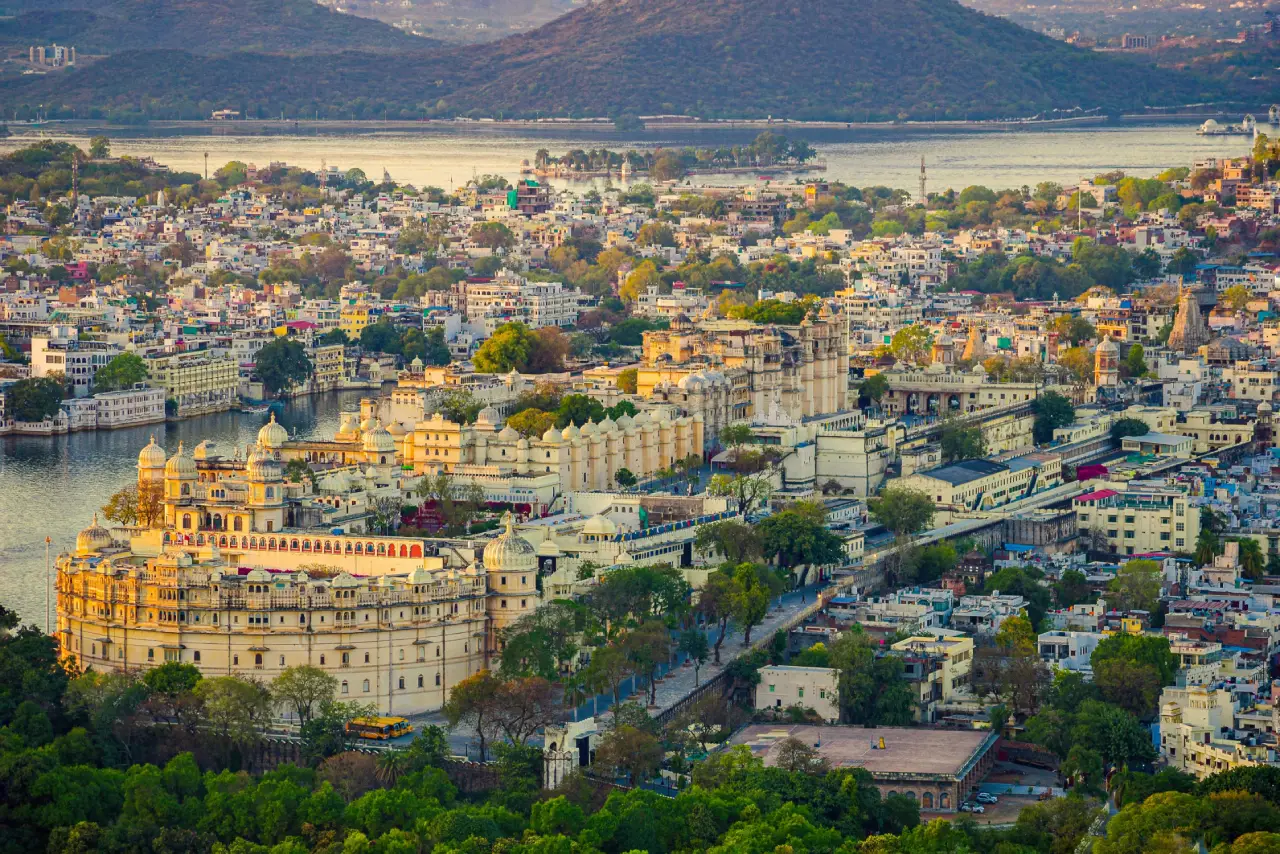
Imagine stepping into a place where every street feels like a scene from a historical epic — towering forts glowing at sunset, narrow lanes buzzing with color, the aroma of spices drifting through the air, and strangers welcoming you with a warm smile and a cup of chai. That’s Rajasthan. For many first-time visitors to India, Rajasthan is the gateway into a world that feels exciting, intense, and unforgettable. But here’s the secret seasoned travelers learn quickly: how you behave in Rajasthan matters just as much as where you go. Understanding local etiquette, culture, and daily customs can transform your trip from simple sightseeing into a deeply personal, rewarding experience. This guide is written to help you travel confidently, respectfully, and comfortably — especially if you’re visiting Rajasthan for the first time.
Understanding Rajasthan Travel Beyond the Instagram Photos
Rajasthan Royal Travel is often portrayed through dramatic images — camel safaris, palace hotels, colorful turbans, and golden deserts. While all of that is real, it’s only the surface. To truly appreciate Rajasthan, it is helpful to understand the cultural values that shape everyday life here.
Rajasthan’s Royal Roots and Why Traditions Still Matter Today
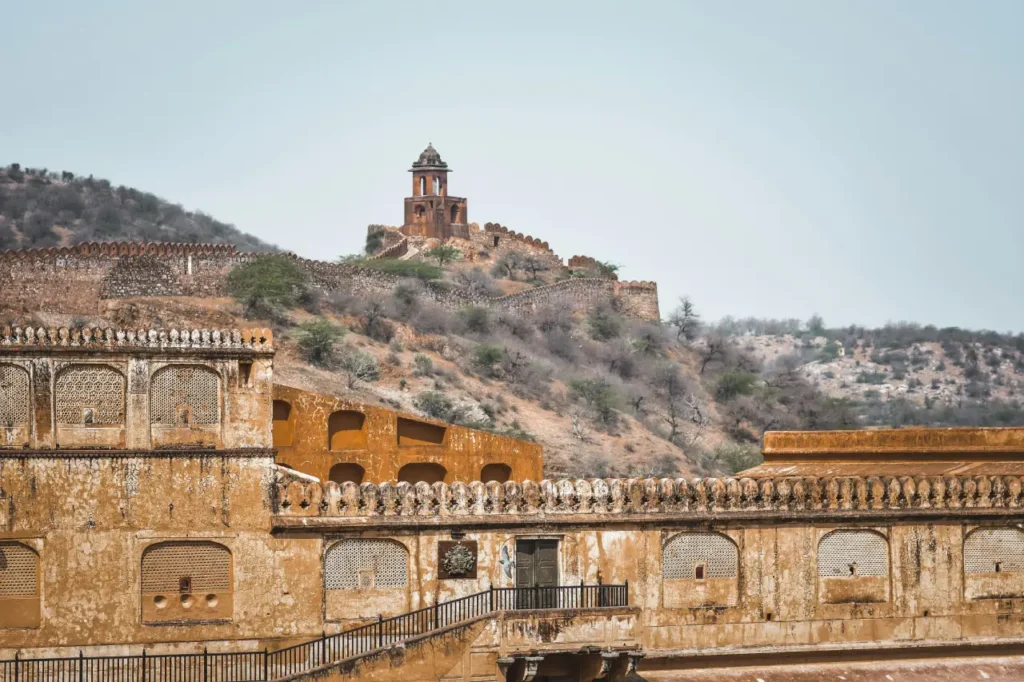
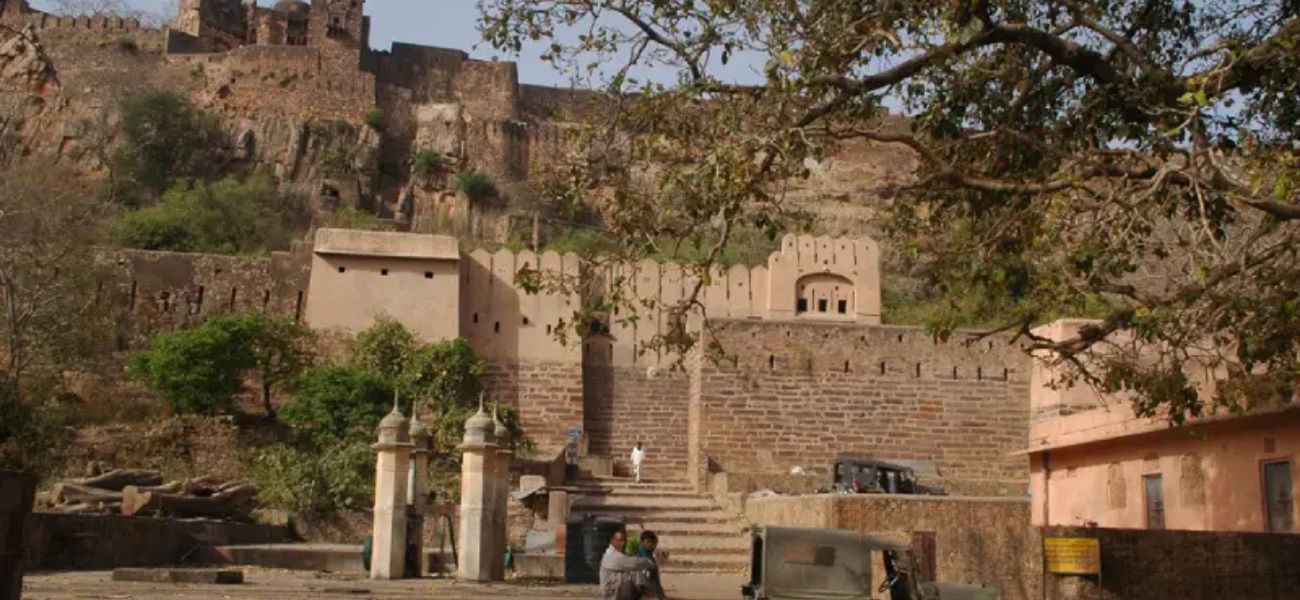
Rajasthan literally means “Land of Kings,” and its royal history isn’t locked away in museums. For centuries, Rajput rulers governed this region, constructing massive forts and palaces while establishing codes of honor, loyalty, and respect that continue to influence society today. Even though India is now a modern democracy, these values continue to shape social behavior — especially in smaller towns and rural areas.
You’ll notice it in simple moments: the way younger people speak softly to elders, how families gather in the evenings, and how pride in heritage is passed from one generation to the next. Traditions here aren’t followed out of obligation; they’re followed because they represent identity. When foreigners show curiosity and respect toward these traditions, locals respond warmly.
Travelers who understand this cultural context often experience:
- Friendlier interactions with locals
- More meaningful conversations
- Invitations that go beyond tourist experiences
Rajasthan rewards respect, and that respect opens doors.
What “Atithi Devo Bhava” Means for You as a Visitor
In India, there’s a phrase you’ll hear often: “Atithi Devo Bhava” — the guest is God. In Rajasthan, this philosophy is very much alive. Locals may offer you tea, directions, or even a place to sit and rest without expecting anything in return.
However, hospitality works both ways. As a guest, you’re expected to behave thoughtfully. That means being patient, polite, and aware of local norms. You don’t need to know everything — a sincere smile, a respectful greeting, and genuine interest go a long way.
This mutual respect creates the kind of travel experiences people remember for life.
Cultural Etiquette Every Foreigner Should Know (Without Feeling Awkward)
Navigating cultural etiquette in Rajasthan doesn’t have to be stressful. Most customs are simple and intuitive once you understand the intention behind them.
Greetings, Body Language, and Social Interaction
The most universally accepted greeting in Rajasthan is “Namaste” or “Namaskar,” said with your hands pressed together at chest level. It’s respectful, friendly, and works in almost every situation — hotels, shops, homes, and temples.
Handshakes are common in big cities, especially between men, but it’s best to wait and see if the other person initiates, particularly with women. Personal space is generally respected, and overly loud behavior can feel intrusive.
Keep these points in mind:
- Use your right hand for giving, receiving, or eating
- Avoid pointing at people
- Keep public behavior calm and respectful
- Avoid public displays of affection like kissing or hugging
Small gestures of awareness make daily interactions smoother and more pleasant.
Dress Code in Rajasthan — Staying Comfortable and Respectful
One of the biggest mistakes first-time visitors make is assuming that modest clothing will be uncomfortable in Rajasthan’s heat. In reality, the opposite is true. Locals wear loose, breathable clothing because it protects from the sun, dust, and heat.
For women, ideal clothing includes:
- Lightweight kurtas or tunics
- Maxi skirts or loose trousers
- A scarf or dupatta for temples and sun protection
For men:
- T-shirts or shirts with sleeves
- Lightweight pants or long shorts
- Avoid sleeveless tops or very short shorts in public areas
When visiting religious sites, covering your shoulders and knees is essential. Dressing modestly helps you blend in, reduces unwanted attention, and shows respect for local sensibilities.
Visiting Temples, Palaces & Sacred Places the Right Way

Rajasthan’s landmarks are not just tourist attractions — many are still spiritually and culturally active spaces.
Temple Etiquette: Small Actions That Make a Big Difference
Before entering any temple, you’ll need to remove your shoes. Shoe stands are usually provided outside. In some temples, socks may need to be removed as well.
Inside temples:
- Keep your voice low
- Follow the flow of devotees
- Do not touch idols unless invited
- Photography may be restricted — always ask or observe first
In Jain temples, leather items such as belts or wallets may not be allowed. Respecting these rules shows cultural awareness and earns appreciation from locals.
Forts, Palaces & Heritage Sites — Do’s and Don’ts
Many forts and palaces in Rajasthan are protected heritage sites, and some are still partially occupied by royal families. Treat them with respect.
Best practices include:
- Following posted signs and guidelines
- Avoiding restricted areas
- Keeping noise levels low
- Dressing modestly
Hiring a licensed guide can add depth to your visit, turning stone walls into stories of battles, romance, and royal intrigue.
Food, Water & Dining Etiquette in Rajasthan
Rajasthani cuisine is rich, flavorful, and deeply connected to the region’s history and climate.
Eating Like a Local Without Getting Sick
Food safety is a common concern for foreign travelers, but with a few smart choices, you can enjoy Rajasthan’s food without worry.
Stick to:
- Freshly cooked food
- Busy restaurants with high turnover
- Bottled water with sealed caps
Avoid:
- Pre-cut fruits
- Raw salads washed in tap water
- Ice from unknown sources
Start slowly with spicy dishes and build your tolerance over time.
Table Manners, Invitations & Saying No Politely
If you’re invited to someone’s home, consider it an honor. Accepting tea or snacks is polite, even if you only take a sip or a small bite.
Traditional eating is done with the right hand. If you need to refuse food, do so gently and with appreciation. A polite explanation is always better than a blunt no.
Practical Travel Tips That Make Rajasthan Easier for First-Time Visitors
Money, Bargaining & Shopping Without Stress
Cash is still widely used in the Rajasthan Culture, especially in markets and smaller towns. Carry small denominations for convenience.
Bargaining is expected in local markets. Keep it friendly, smile, and don’t take it personally. Fixed-price stores usually display clear pricing.
Use banks or authorized exchange counters for currency exchange and avoid street dealers.
Transportation, Guides & Getting Around Confidently
For city travel, ride-sharing apps like Uber and Ola are reliable. For longer distances, private drivers arranged through hotels or agencies offer comfort and safety.
If using auto-rickshaws without meters, always agree on the fare before starting your ride. Be cautious of drivers who insist on taking you to specific shops, as commissions are common.
Safety & Comfort Tips for Young Travelers (Especially Women)
General Safety Tips That Locals Actually Follow
Rajasthan is generally safe, but awareness is important. Keep valuables secure, stay alert in crowded areas, and avoid isolated places late at night.
Locals are often helpful, and asking for assistance is usually met with genuine concern and guidance.
Tips Specifically for Female Foreign Travelers
Women travelers are widely welcomed in Rajasthan, especially when dressed modestly. Traveling in groups or using guided experiences can add comfort, particularly at night.
Using trusted transportation, staying in reputable accommodations, and projecting confidence help ensure a positive experience.
Experiencing Rajasthan Like More Than Just a Tourist
Festivals, Local Experiences & Cultural Immersion
Rajasthan’s festivals — such as Holi, Diwali, and the Pushkar Camel Fair — offer incredible insight into local life. Participating respectfully in these events creates unforgettable memories.
Trying traditional clothing, attending folk performances, or joining a cooking class allows you to connect with Rajasthan on a deeper level.
How Respect Turns Travelers into Welcome Guests
Travelers who show respect often find themselves welcomed into homes, offered stories, and treated like friends rather than outsiders. These moments become the highlights of the journey.
Final Thoughts: Why Rajasthan Rewards Respectful Travelers
Rajasthan is bold, beautiful, and deeply human. It challenges expectations while offering warmth and generosity in return. Travelers who approach it with openness and respect are rewarded with experiences that go far beyond monuments and photos.
When you travel thoughtfully, Rajasthan doesn’t just feel like a destination — it feels like a shared story you’ll carry with you long after you leave.